Goondiwindi
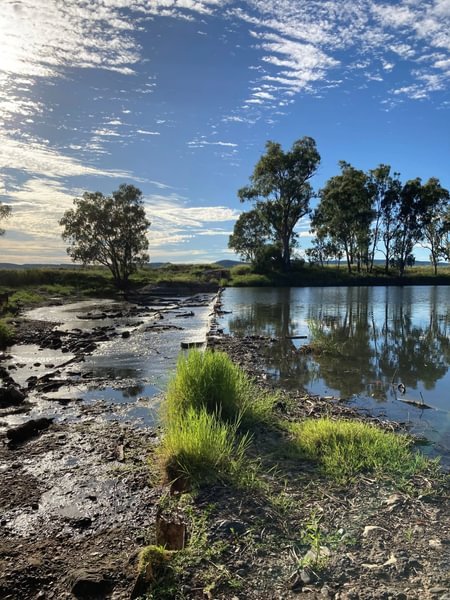
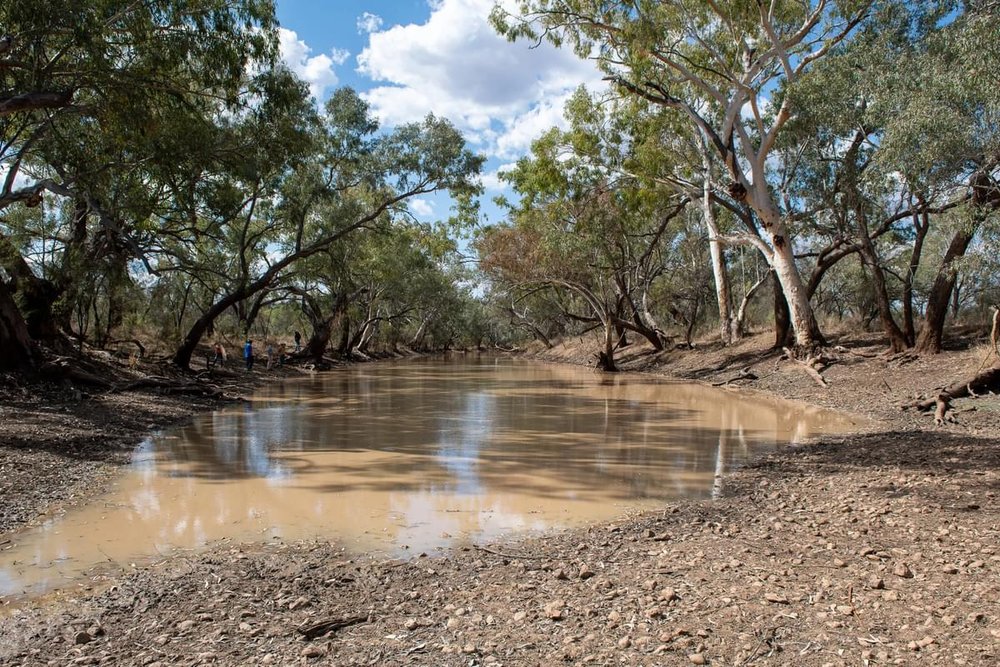
The Goondiwindi Hub covers the northern areas of the Murray–Darling Basin across Queensland and New South Wales.
The hub provides local communities, businesses and governments the opportunity to understand key vulnerabilities of the region, and supports the community to identify targeted solutions for the effective adaptation to the impacts of climate change.
The hub is initially focusing on building resilience in the northern cropping and grazing areas that cover, but are not limited to, the catchments for the Condamine-Balonne and Border Rivers.
Goondiwindi projects
View AllEquity and vulnerability in a drying basin: water sharing policy...
The project explores how river flows affect the wellbeing of regional river towns and how costs and benefits are distributed within small communities.
Read More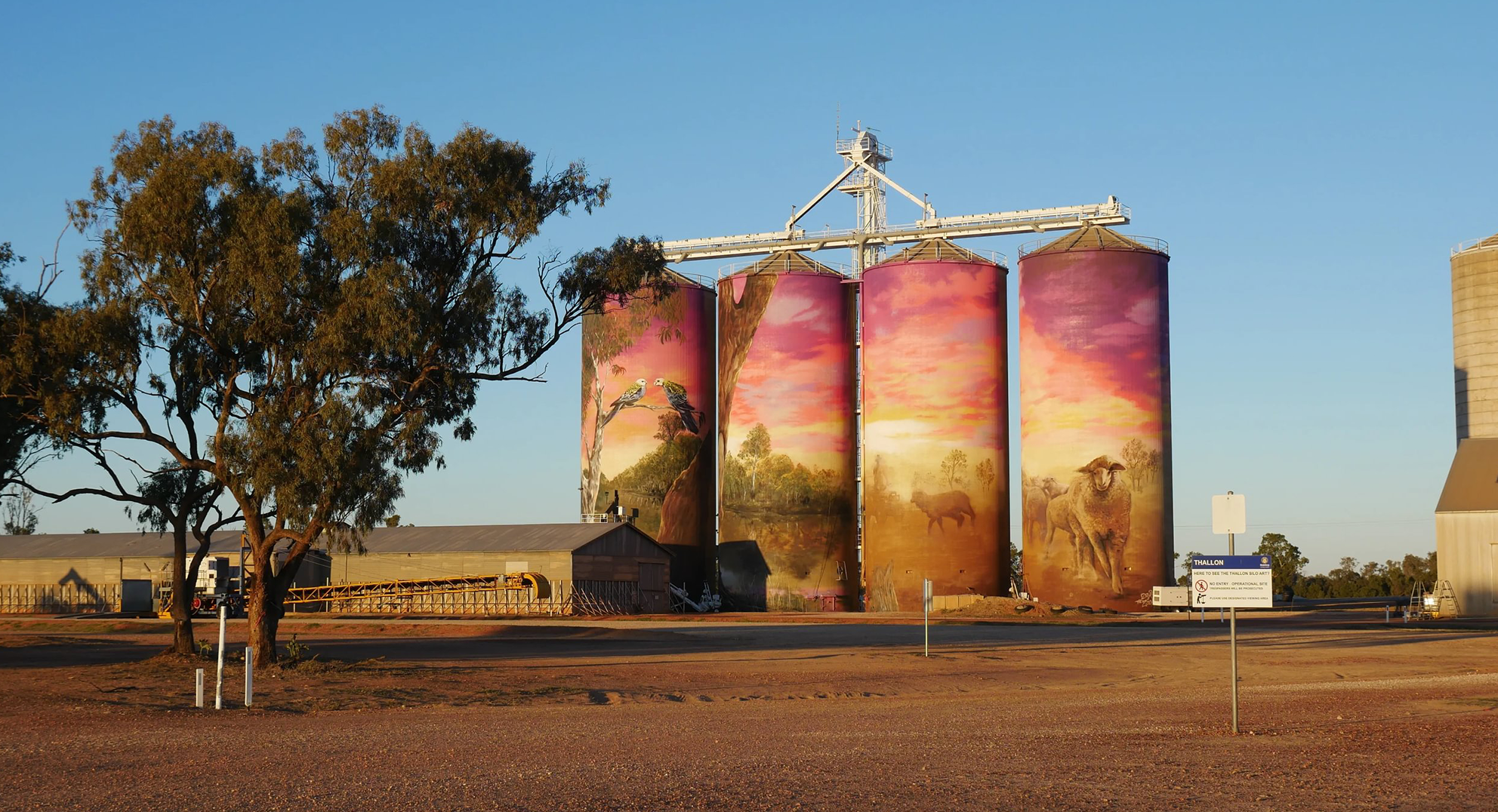
Producing novel biological products to increase production and reduce environmental...
Stories of One Basin: First Nations knowledge and Indigenous-led research...
Goondiwindi updates
View allWhere we are
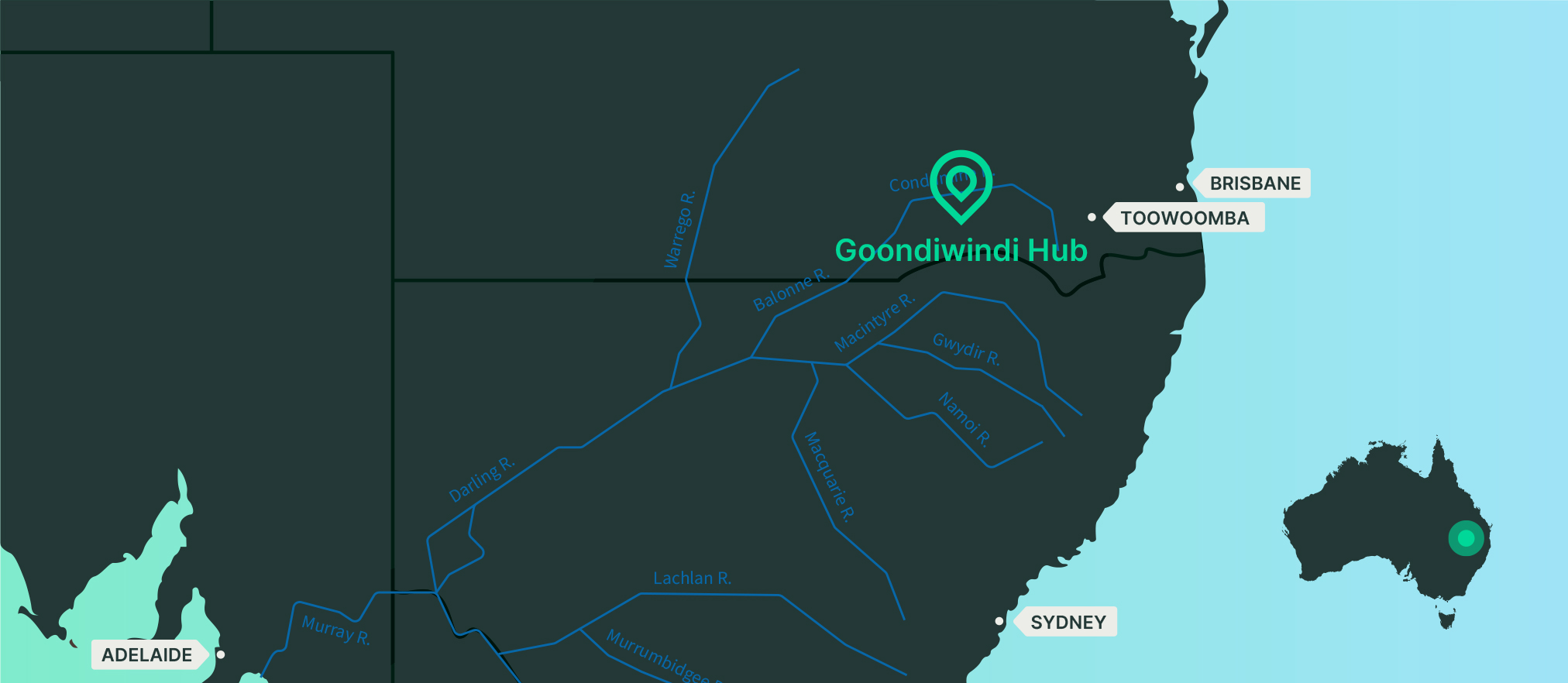
The Goondiwindi Hub is located in Goondiwindi, Queensland and covers areas of the Northern basin across two states, including southern Queensland and northern New South Wales.
Related information
Contact Goondiwindi Hub
If you have a question, enquiry or are interested in getting involved with the One Basin CRC’s Goondiwindi projects, get in touch with the Goondiwindi Hub.
About the One Basin CRC
We are fostering the collaboration between researchers and industry to address significant scientific and technological challenges for the Murray–Darling Basin.
About
Located in Queensland’s south, our Goondiwindi Hub covers the northern basin. This region has considerable extension and research capability through the University of Southern Queensland in Toowoomba, the University of Sydney campus in Narrabri, government departments, and an overarching natural resource management body, which works collaboratively with local Landcare groups.
The Goondiwindi Hub provides the opportunity for local communities, business, industries and governments to understand key vulnerabilities of the region in detail, offering information and knowledge to support the community to identify targeted solutions for effective adaptation to the impacts of climate change.
The hub is initially focusing on building resilience in the northern cropping and grazing areas that cover, but are not limited to, the catchments for the Condamine-Balonne, Border Rivers, Namoi and Gwydir.
About the region
The northern basin covers areas of two states (southern Queensland and northern New South Wales) and at least 22 First Nations groups, covering the Warrego, Paroo, Condamine-Balonne, Moonie and Border rivers, and Gwydir and Namoi Catchments.
Stakeholders & collaborators
Key stakeholders located in the region include the Murray–Darling Basin Authority (office in Goondiwindi), and the Murray–Darling Inspector-General of Water Resources (northern basin office).
Key collaborators in the Goondiwindi Regional hub will include:
- Southern Queensland Landscapes
- Queensland Department of Agriculture and Fisheries
- Rural Economies Centre of Excellence at University of Southern Queensland (a state government partnership).
Regional economy and land use
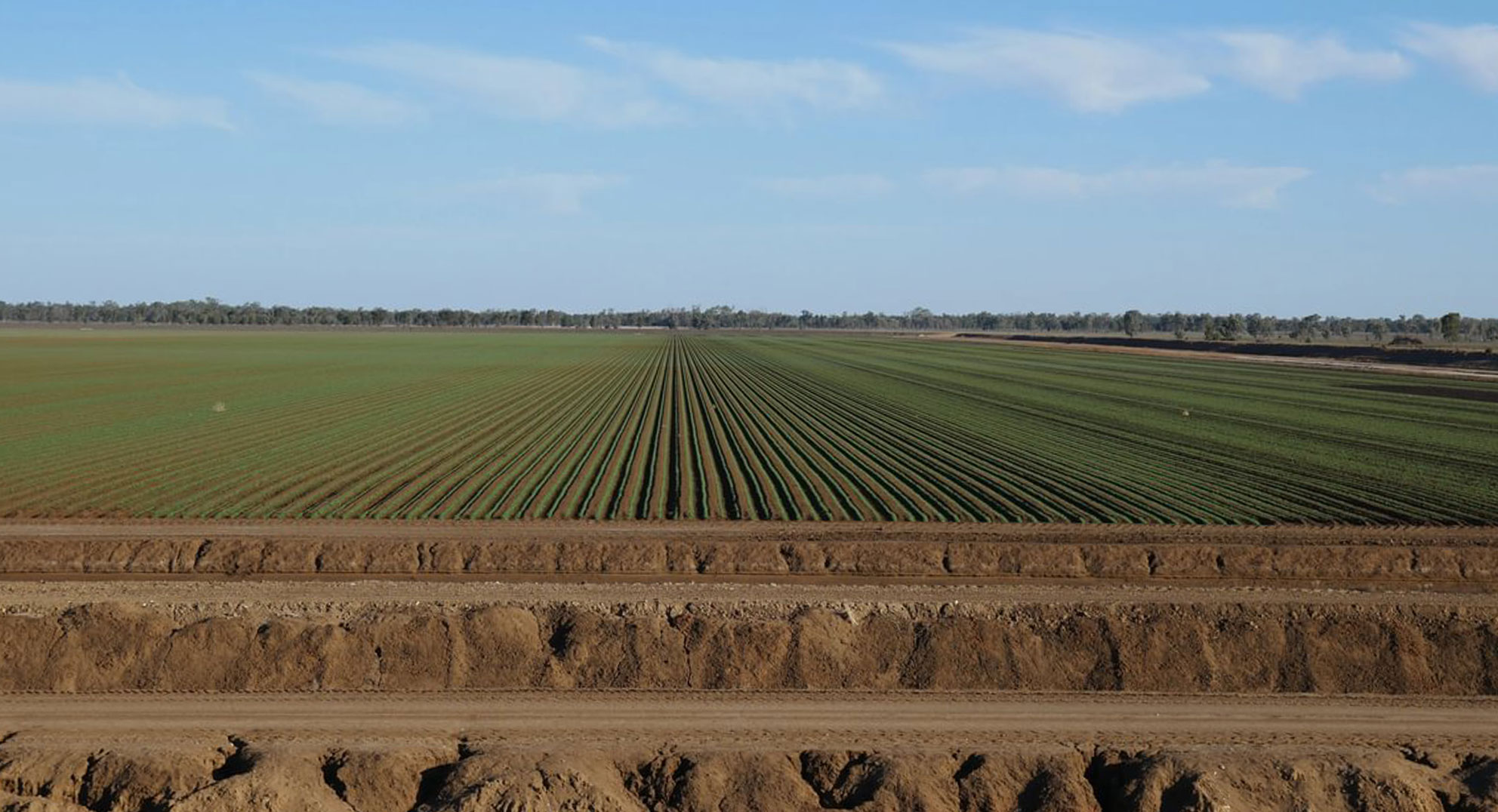
Land uses in the region range from irrigated cropping zones to extensive grazing, some of which is floodplain grazing.
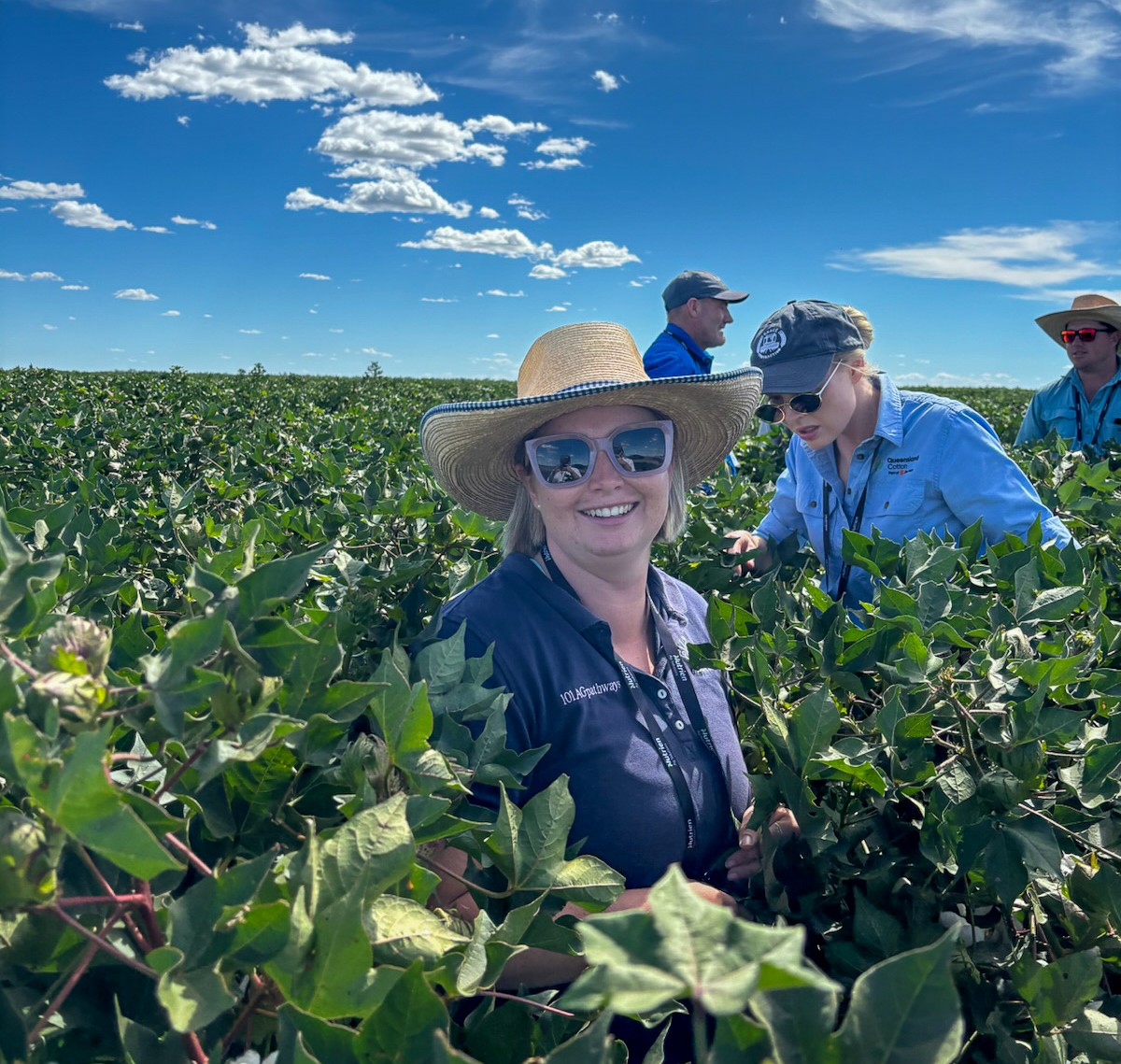
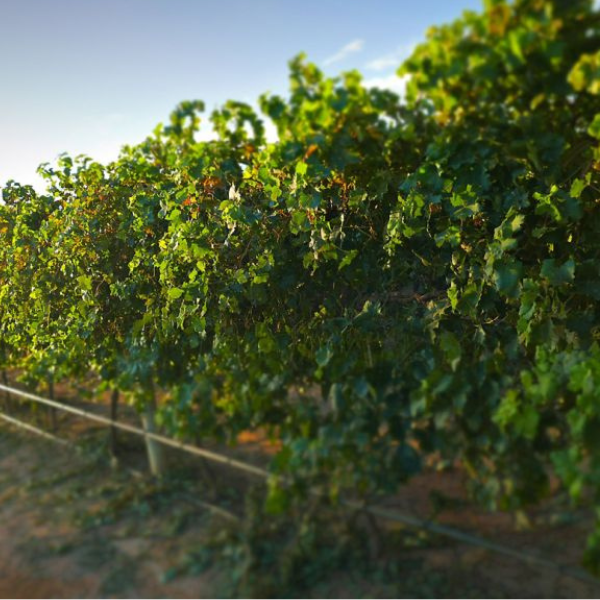
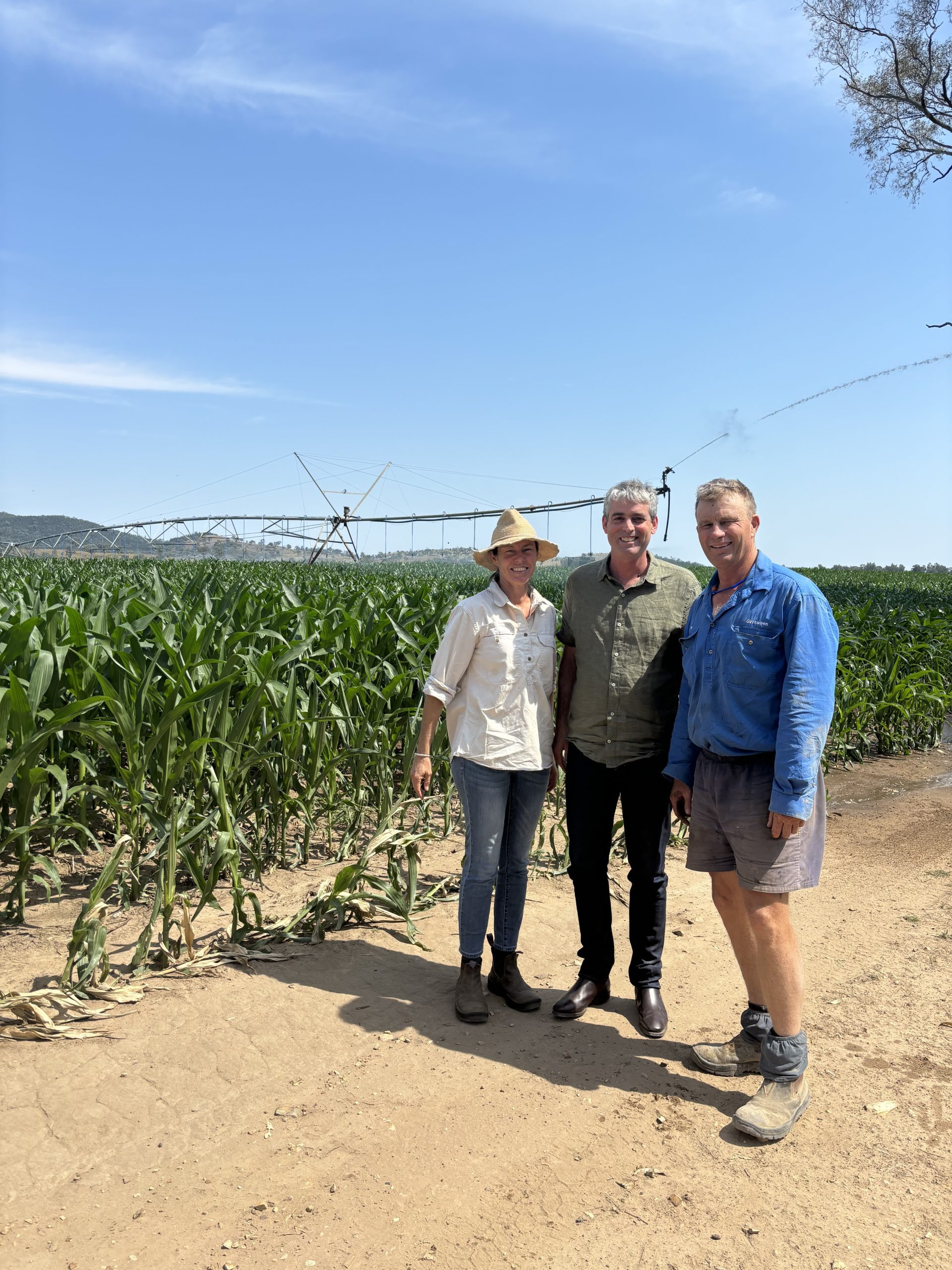
Irrigated crops grown include cotton, maize and pulse crops and there are smaller areas of high value horticulture, from stone fruits to wine grapes.
Dryland cropping includes summer and winter coarse grains and to a lesser extent, pulse crops.
The value of water to the region
The northern basin regions, especially in the Condamine and Border rivers catchments, have significant intensive animal production systems (cattle feedlots, poultry and pigs) that depend on regional grain production and high-quality water. Relative to the southern basin areas, there is a high reliance on water extraction and diversion from cross-land flows outside riverine areas, with extensive use of ‘ring tanks’ or high-walled storage dams.
Unlike the southern basin, connectivity between individual water systems in the northern basin is limited, resulting in variation in market prices and trading activity between systems. All of these catchments are forecast to be affected by climate change, with decreasing total rainfall, an increasing number of high temperature days in summer, a reduction in low temperature days, a narrowing of the frost period, and decreased inflows into catchments.
There are significant innovation and adaptation ecosystems in the greater region, with state agriculture departments, natural resources management agencies and five natural resources management organisations.
Projects
Cyanobacteria toxin uptake in food crops and implications to human...
This project will support sustainable agriculture by exploring toxic cyanobacteria and the health posed when they accumulate in food crops via the use of recycled water for irrigation.
Read More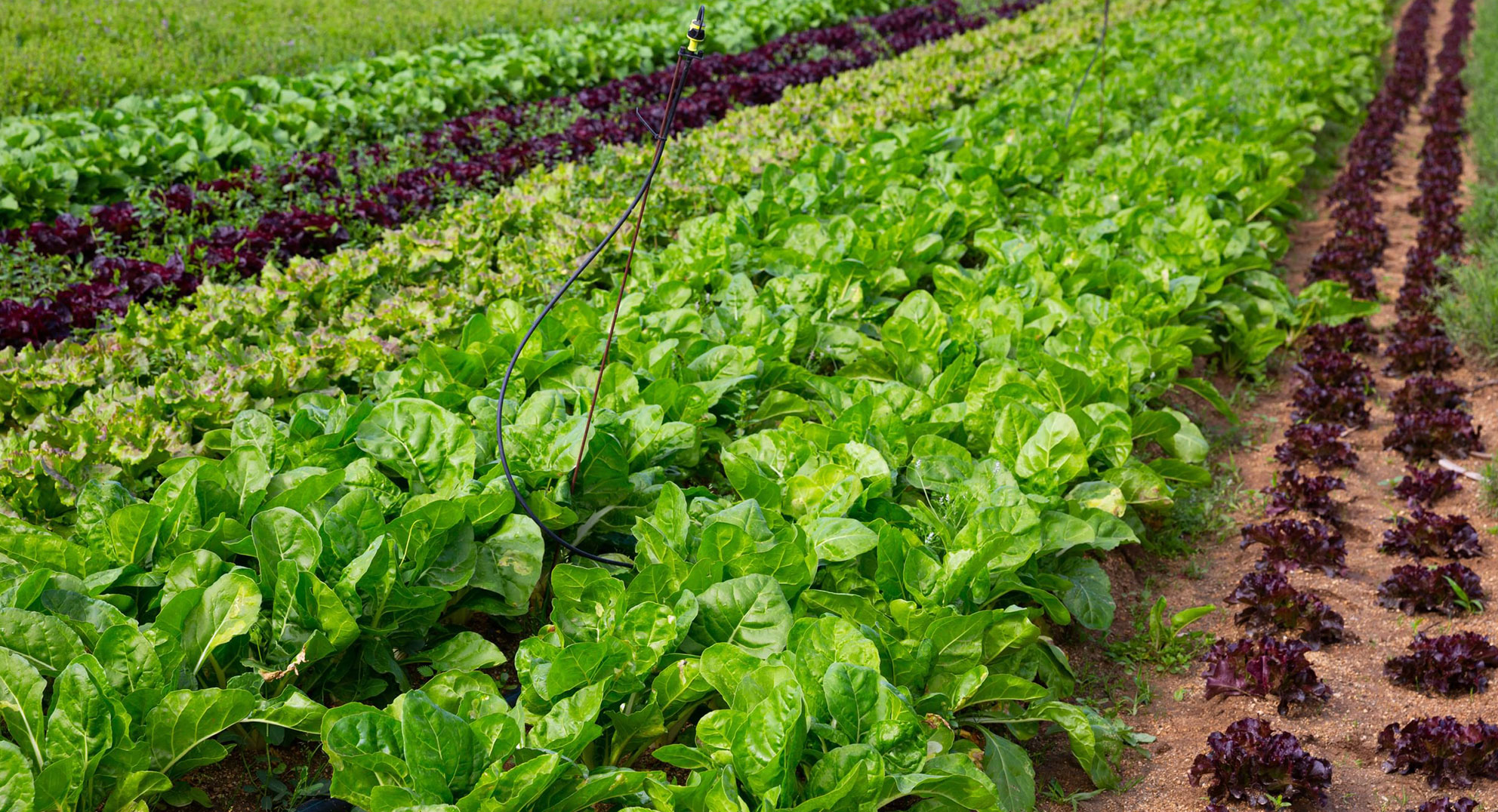
Ecological and physiological functioning of native grains production system
This PhD project will explore native Australian grasses for grain production, enhancing food security and sustainable agriculture. By identifying optimal growth conditions, it supports First Nations communities and promotes resilient, climate-adaptive farming practices.
Read More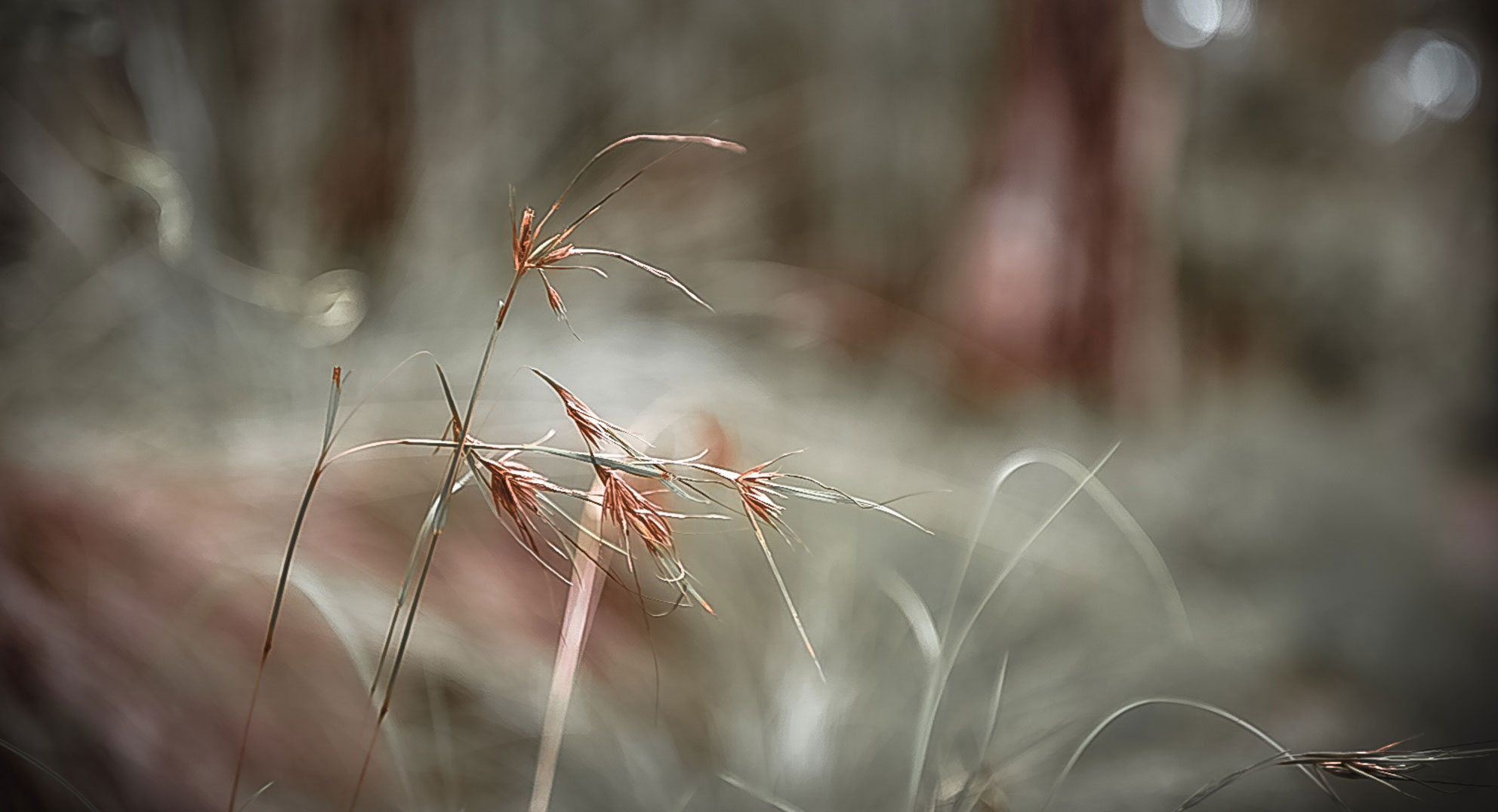
Stories of One Basin: First Nations knowledge and Indigenous-led research...
This project will empower First Nations peoples, whose knowledge and governance systems offer invaluable insights crucial for tackling the basin's challenges, especially under looming threats from climate change.
Read More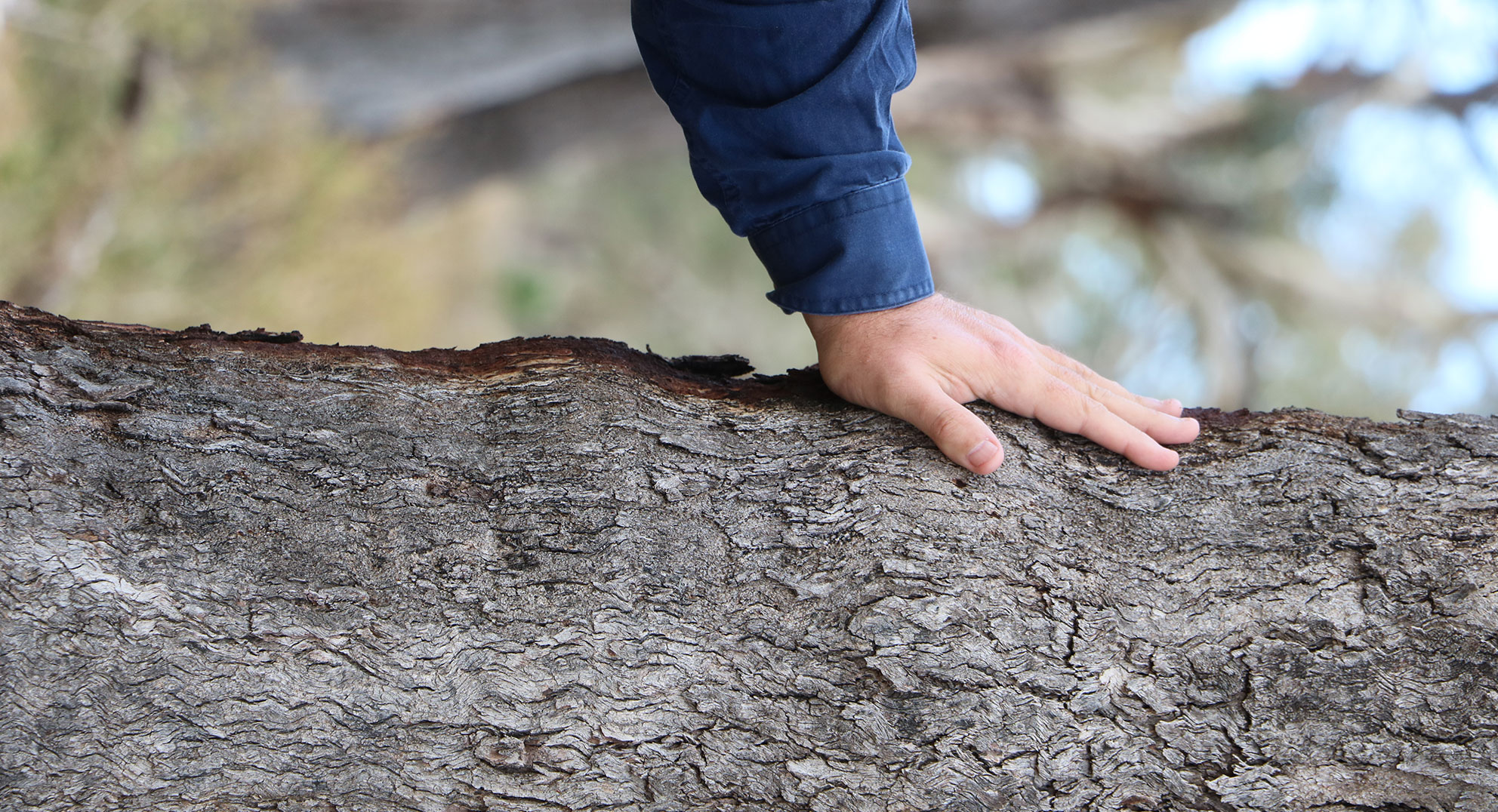
Understanding future leadership needs
This project investigates the knowledge, skills and environments which can promote leadership from anywhere in the Murray-Darling Basin and will develop tangible resources to support leaders through change.
Read More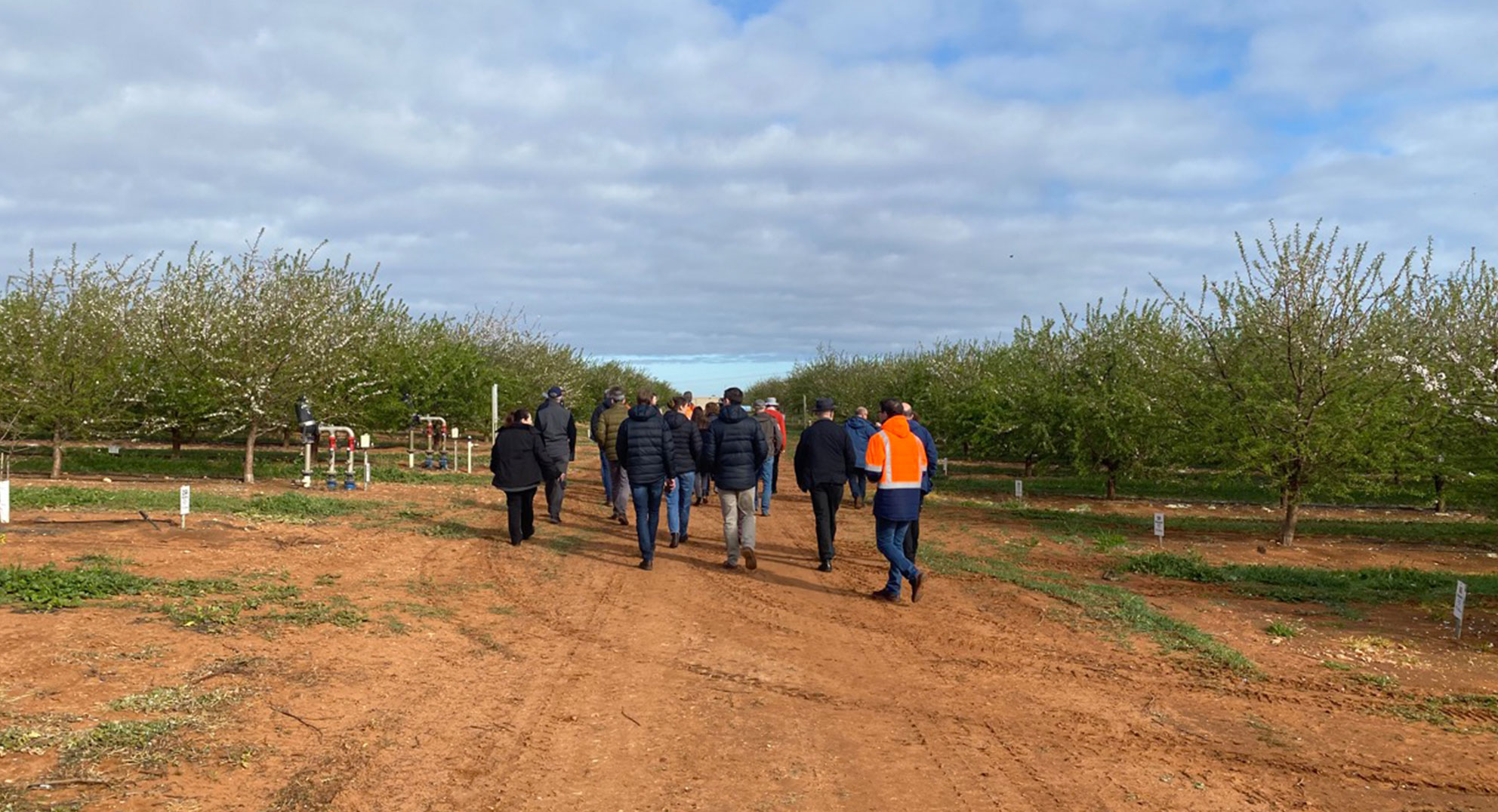
Regional News
A regional ‘dream team’: the PhD scholars who are bringing world-class research to the banks of the Murray-Darling Basin
Read More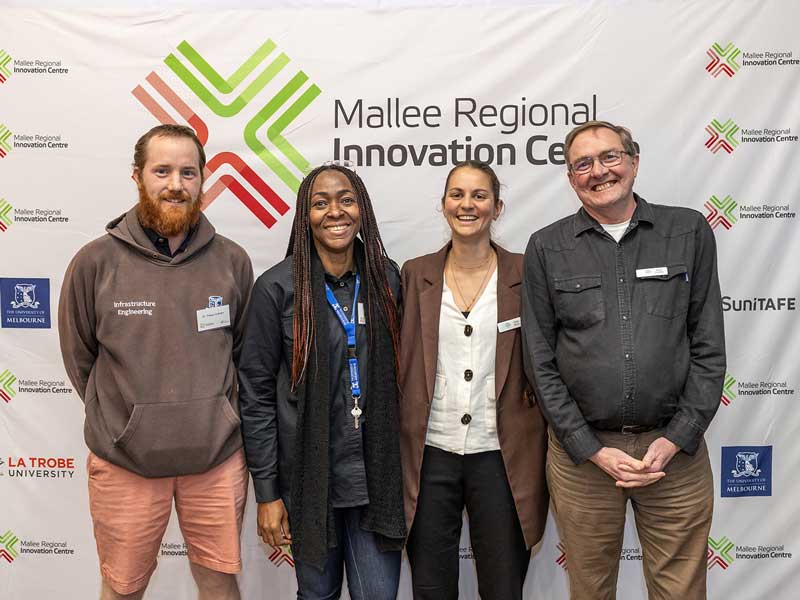
Goondiwindi team
The background, experience and expertise of our people is critical to our success as we nurture the next generation of scientists and leaders in the basin. Our Goondiwindi hub team is led by Marti Beeston, who was born and raised in the region, and brings a background in the regenerative agriculture and grains sectors to the One Basin CRC.
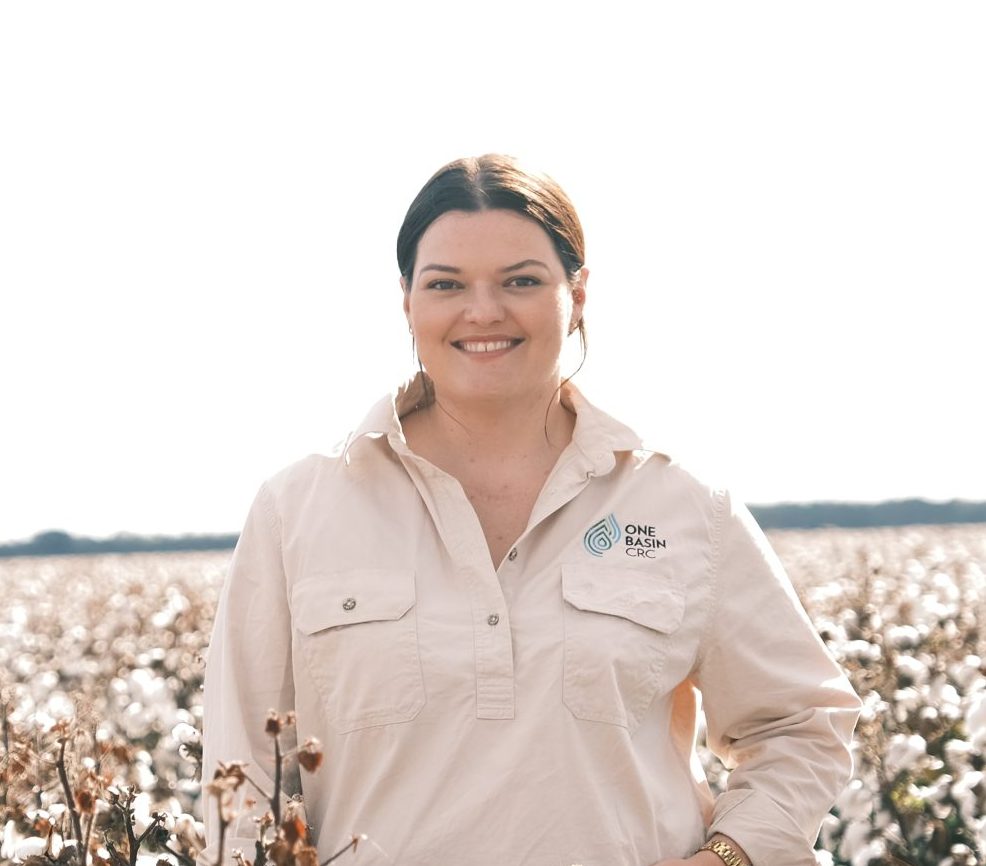
Marti Beeston
Goondiwindi Hub Manager, One Basin CRC

Anita Bhusal
PhD Student, One Basin CRC
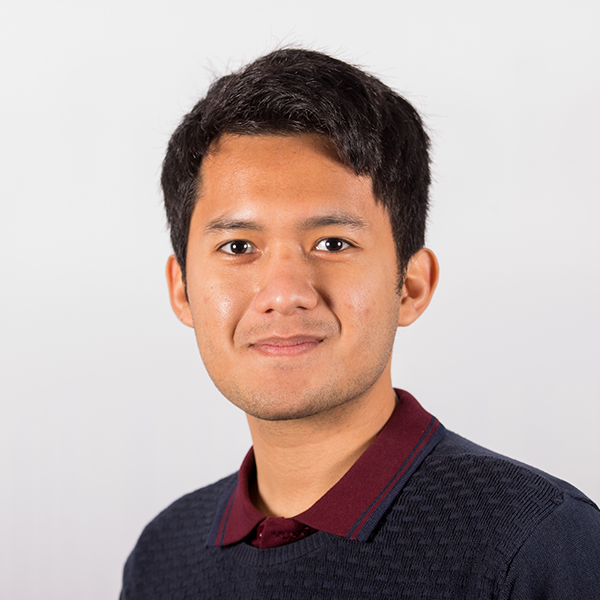
Wiyanda Aflah
PhD Student, One Basin CRC
Contact us
Location
Goondiwindi, QLD
Marti Beeston
Goondiwindi Hub Manager, One Basin CRC
If you have a question, enquiry or are interested in getting involved with the One Basin CRC’s Goondiwindi projects, you can contact our regional hub lead Marti Beeston via the enquiry form below.